Fat injection (lipofilling)
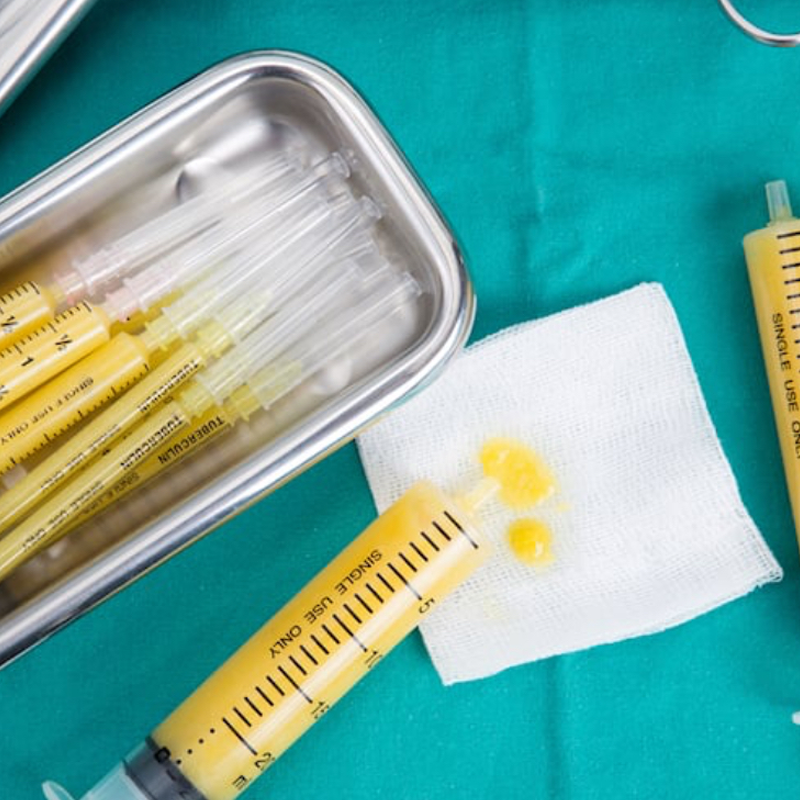
It is the process of applying fat cells taken from areas such as the hips or around the belly to the person’s face or other required areas with the help of special cannulas after being washed or centrifuged.
This method eliminates the risk of allergy, adds fullness and volume to the treated area, increases blood circulation, and improves tissue and skin quality. The procedure is usually performed under local or general anesthesia in a sterile operating room.
Fat filler applications are used in areas such as the cheekbones, nasolabial folds, forehead, temples, the area between the eyebrows, lower jaw, bridge of the nose, lips, and other areas where there are hollows. This procedure requires specialized techniques for harvesting and applying the fat and is often performed in conjunction with other cosmetic procedures.
During the postoperative recovery period, swelling will decrease and some of the fat will melt. Because the amount of fat melted should be assessed within the first month, it’s important to wait at least one month before assessing the aesthetic outcome.
Risks of surgery include bleeding, infection, asymmetry, and more melting of fat cells than expected.
The permanence of the injected fat cells in the fat filling procedure varies between 40-70% and fat filling can be done again at least 6 months after the first procedure.
Additionally, the effect of fat injection is not affected by weight changes, but large weight changes such as 20-30 kg may also affect the areas where fat injections are made.